Browse engaging daily activities
Bespoke Mental Wellness Services for Older Persons
Personalized memory care offerings for older populations are becoming more necessary in handling specialized cognitive challenges. These plans concentrate on person-centered care plans that honor personal histories and preferences. By cultivating engagement through focused activities, they aim to improve total quality of life. Understanding the fine points of these supports can aid families in deciding wisely. What aspects should families think about when selecting the right appropriate cognitive care program?
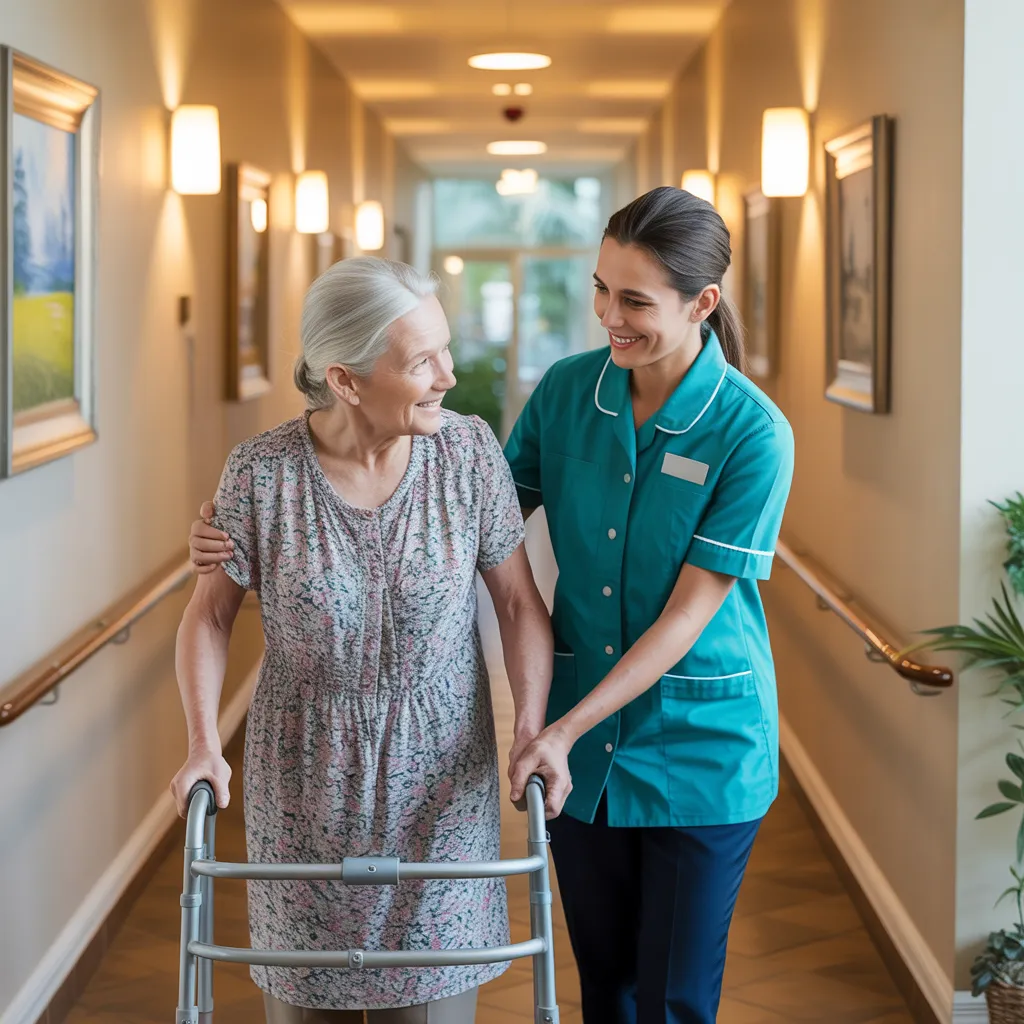
What You Need to Know About Tailored Memory Care Services
When considering memory care services, it is important to grasp how personalized strategies can substantially enhance the quality of life for older adults experiencing mental decline. Adapted memory care services are developed to fulfill the distinct requirements of each overview person, acknowledging that mental deterioration affects individuals in distinct ways. These solutions frequently include personalized programs and routines that correspond to a senior's preferences, abilities, and likes, thereby encouraging involvement and a meaning.
Additionally, personnel educated in advanced dementia support methods can offer assistance that respects the independence and respect of each resident. This individualized attention helps in reducing distress and worry, which are common in those with cognitive decline. Furthermore, family involvement is promoted, ensuring a comprehensive strategy to care. Ultimately, customized dementia support programs aim to create an environment where seniors can flourish, fostering both emotional well-being and cognitive engagement.
Strengths of Tailored Wellness Plans for Memory Concerns
Personalized care plans serve an important function in managing the individual cognitive issues experienced by older adults. These tailored approaches aim to address specific requirements, confirming that care complies with the distinct cognitive and emotional necessities of every senior. By emphasizing personal histories, preferences, and abilities, such plans generate a sense of familiarity and comfort, which can ease stress often associated with memory loss.
Moreover, customized treatment frameworks enhance engagement by integrating programs that align with seniors' interests, encouraging mental stimulation and community connection. This individualized approach can produce enhanced cognitive function and an improved standard of living. Additionally, support professionals equipped with thorough understanding of the senior's preferences can deliver more caring and helpful support, minimizing frustration levels for every party. Ultimately, customized care approaches empower seniors, facilitating them to address their cognitive issues with respect and self-assurance.
Recommended Methods for Personalized Memory Care Programs
Creating best practices for bespoke memory care programs calls for a wide-ranging comprehension of each senior's unique needs and preferences. Care providers should highlight thorough assessments that assess mental faculties, physical health, and emotional stability. This basic understanding supports the development of personalized care plans that effectively address specific challenges.
Regular workforce development is essential, making certain attendants are outfitted with the newest strategies in dementia support. Collaboration with household members fosters a encouraging environment, facilitating attendants to incorporate individual stories and tastes into daily routines. Adopting innovative tools, like monitoring devices and digital platforms, can enhance well-being and interaction.
In addition, flexibility in care plans is crucial; adjustments should be implemented as seniors' conditions evolve. Ongoing assessment of care effectiveness through input and monitoring guarantees continuous improvement. By following these best practices, memory care programs can provide a nurturing and attentive environment that encourages respect and quality of life for seniors.
Engagement That Optimize Life Standard in Memory Care
Personalized memory care programs not only focus on individualized care plans but also highlight the significance of engaging activities that enhance the standard of living for older adults. These programs are created to stimulate cognitive function while promoting interpersonal engagement and mental health. Creative art sessions, musical activities, and gardening can provide creative outlets, enabling residents to express themselves and engage with their environment.
Structured reminiscence therapy encourages seniors in discussing past experiences, developing a sense of identity and purpose. Physical pursuits, such as gentle exercises or dance, help maintain mobility and enhance emotional state. Additionally, sensory experiences—like cooking or pet therapy—can evoke pleasant feelings and refine sensory perception.
Choosing the Perfect Memory Care Service for Your Loved Ones
How can loved ones' relatives ensure they pick the most suitable memory care service for their loved ones? The choice starts with comprehensive research. Relatives should evaluate the specific needs of their family members, considering factors such as the type and stage of memory impairment. Visiting potential centers enables relatives to examine the environment, staff engagement, and accessible amenities.
Accreditation and caregiver credentials are essential indicators of excellence. Families should inquire about caregiver-to-patient ratios and the training provided to caregivers. Additionally, it is crucial to evaluate the variety of activities and therapies offered, as these can greatly impact residents' well-being.
Finally, families should look for reviews and testimonials from fellow parents to gather direct insights. By balancing individual requirements with expert guidance, parents can make informed choices that guarantee their family members receive the personalized and caring support they deserve.
Frequently Inquired Questions Section
How Should I Evaluate My Loved One's Unique Memory Care Requirements?
To evaluate specific cognitive support needs, one should observe behavioral shifts, communication abilities, daily activity performance, and emotional health. Engaging healthcare professionals for assessments and seeking input from caregivers can further clarify those needs.
What Requirements Should Nursing Staff Have in Memory Care Facilities?
Employees in residential care facilities should have appropriate qualifications, dementia-specific training, competent interpersonal abilities, kindness, and knowledge. Besides, they should demonstrate forbearance and adaptability to successfully provide services meeting the varied needs of residents.
Do Insurance Policies Include Tailored Memory Care Services?
Insurance for personalized memory care solutions fluctuates substantially among providers. Many insurance policies may partially cover costs, but it's essential for persons to verify specifics with their insurer to understand their advantages and constraints.
How Frequently Are Treatment Plans Assessed and Modified?
Care plans are typically assessed and modified regularly, often every quarter or twice yearly. This guarantees that the evolving needs of individuals are addressed properly, allowing for modifications to treatment approaches and support methods as necessary.
What Details Do I Pay Attention to Throughout a Facility Showing?
Throughout a facility tour, one should observe neatness, staff interactions, resident engagement, protective measures, available amenities, and overall atmosphere. Additionally, evaluating the facility's approach to one-on-one care and community involvement is essential for informed decision-making.